New investors often ask, “How do I know which stocks to buy?” Don’t just guess—learn how investors can use financial statements …
source
Investing Basics: Fundamental Analysis
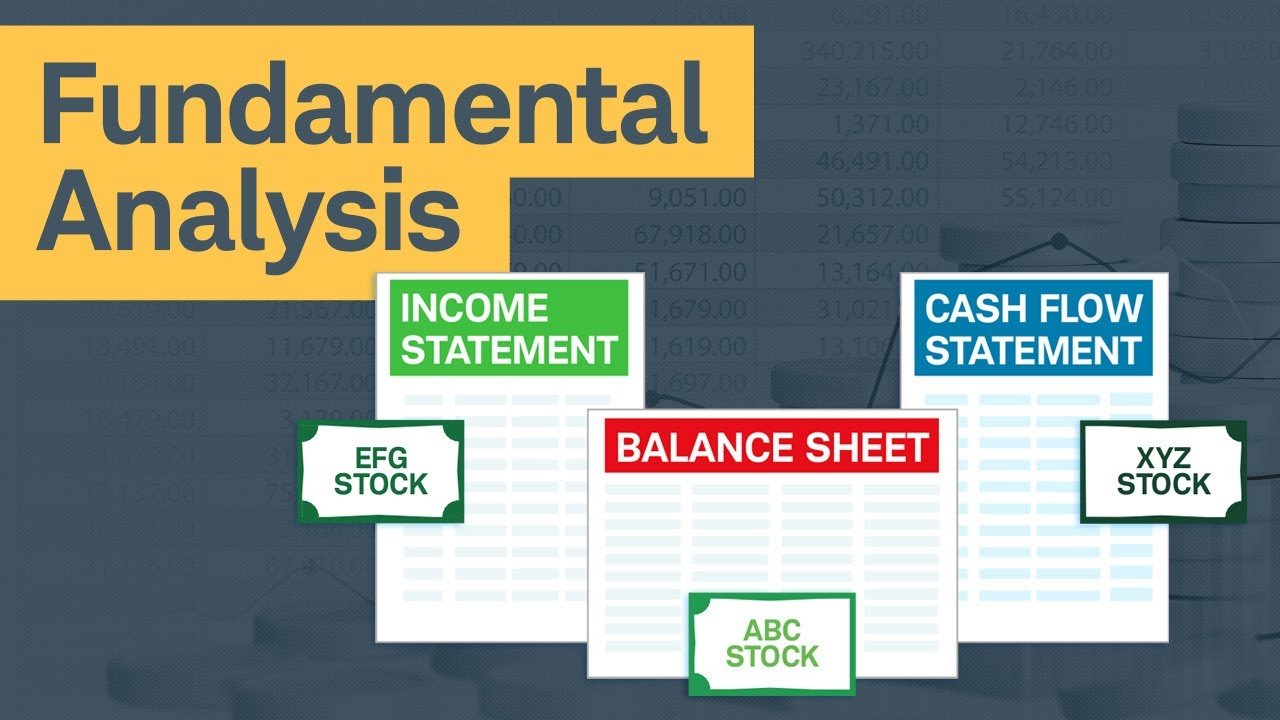
New investors often ask, “How do I know which stocks to buy?” Don’t just guess—learn how investors can use financial statements …
source
Trappers Anonymous Group: https://join.trappersanonymous.com/ Wallstreet Trappin Course: … source

I made over $70K this month from day trading, and 5 years ago I started…

See what I’m investing in (stocks, gold, silver) by visiting my Patreon site: https://www.patreon.com/ClearValueInvesting GET…
You must be logged in to post a comment.
hi
Too much work. I'll just invest in an index fund.
I’ve got this on loop while I study. It’s so smooth!
Very much interested & motivated ! Thanks ! 🙏 💐
Just to clarify: Shareholder equity is NOT what equity holders would receive if the company sold all its assets and paid of all its debts – because asset are valued in the balance sheet on a going concern basis. If you wanted to know what would be left after closing down the company you would have do make a separate liquidation balance sheet.
2:53–3:13
SMASHING THE THUMB UP HARDER AND MORE THAN I EVER HAS! SMASH SMASH SMASH!
What a plot twist! I never expected that.
Thanks you make it sound very easy👍🏽
The vibe here is just chef's kiss 🔥
I want to try this too! You inspire me. 💪
You have a knack for storytelling. Well done! 🎥
Good stuff. Thank you
A quick summary that I wrote down:
Fundamental analysis – process of analyzing a company's financial statements to help decide if you want to invest
-Balance sheets
-Income statements
-Cash flow statements
A balance sheet compares a company's assets to its liability's and the shareholders equity.
-assets = items a company owns
-Liabilities = debts or accounts that need to be payed (often have offsetting assets)
-shareholders equity = book value = amount of money left to shareholders if company shuts down.
– assets – liabilities = shareholders equity
A balance sheet can help you determine if a company is overextending and isn't a worthwhile investment.
Income statement = how a company earns money
Income statement shows revenues and expenses
Revenues – Expenses = Net Income
A company with a good cash position is better suited to endure economic ups and downs
A cash flow statement shows how a company uses its cash to operate its business, as well as showing a company's loans
P/E ratio = share price / earnings per share
P/E ratio allows you to look further then the value of the stock
the lower the P/E ratio, the better the value
Where can I get to see their balance sheet, cash flow statement and income statement
Please keep these AWESOME informational videos coming ❤
Good lecture
very good thanks
Thank you 😊
Leaning