The memorandum of understanding that the U.S. and Iran have endorsed will fully reopen the Strait of Hormuz on Friday, but unwinding the biggest oil disruption ever will take longer than creating it.
In a span of just three months, global supplies lost about 2 billion barrels of oil, forcing top energy-consuming countries to tap reserves at record rates and impose rationing.
While energy markets have been surprisingly resilient, prices still soared and chaos ensued. Oil has been diverted, drilling shut down, other suppliers stepped up exports, and thousands of tankers were rerouted to different ports.
With the Strait of Hormuz due to reopen, Wall Street is watching to see how quickly traffic will rebound, especially given the risks of underwater mines and renewed fighting.
“What’s more, even if ships now have safe passage, tankers are in the wrong place and questions over the cost and availability of insurance for ships traversing the Strait will remain,” said Jason Tuvey, deputy chief emerging markets economist at Capital Economics, in a note on Monday. “Our working assumption is that ~80% of energy flows will resume by the end of Q3 but a return to ‘normal’ could stretch into 2027.”
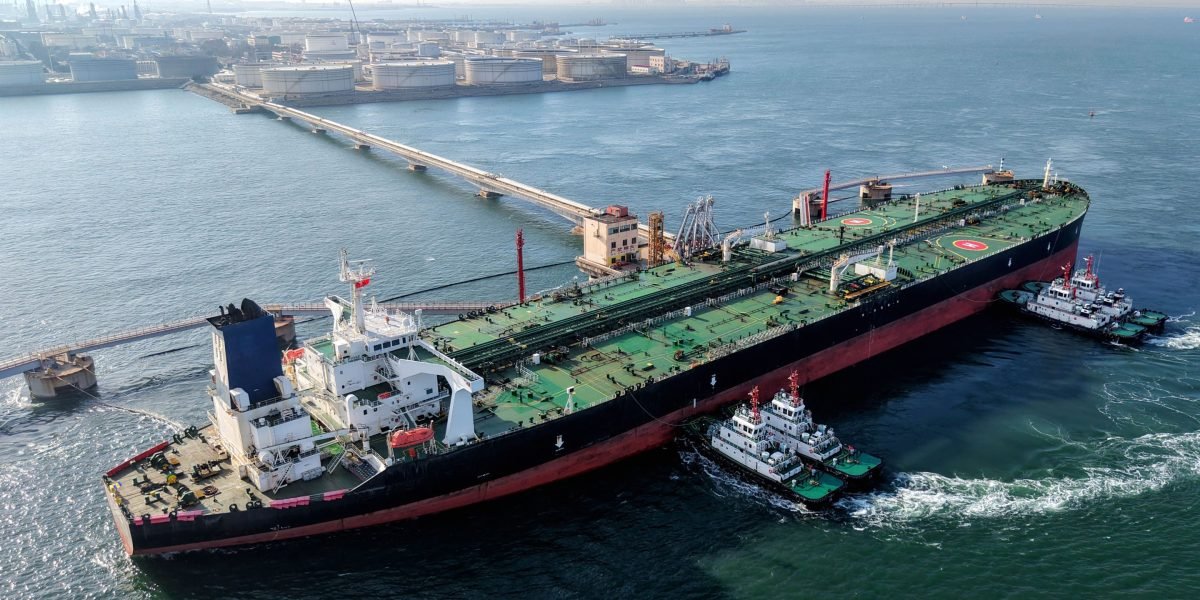
Many tankers have been diverted to pick up cargoes elsewhere, and crossing oceans to get back to the Mideast can take weeks.
Another factor in the oil trade is the number of ships entering the Persian Gulf as well as exiting. After the strait first closed, Gulf producers stored the oil they pumped because they couldn’t export as much.
Since prolonged production halts can cause permanent damage to oil wells, shutting them down is typically a last resort. But storage quickly maxed out, forcing producers to slash output.
The good news is that if the Strait of Hormuz remains open and inventory drawdowns slow, then markets should avoid some of the dire predictions that were feared earlier, Hussain said. The bad news is that healing will take a while.
“All told, while there is now a reduced risk of adverse scenarios, energy supply from the Gulf is likely to remain constrained for several months and this will limit the scope for further falls in prices,” he added.
China will be closely watched as it aggressively filled up its storage in the years before the Iran war and is widely seen keeping a lid in oil prices during the war by opening the spigot on all those stockpiles.
But analysts from Oxford Economics said oil production should be able to keep up with the recovery in Hormuz traffic—as long as security conditions improve.
“The incentive to restore output is high, and there doesn’t appear to have been substantial damage to core production facilities,” they said in a note. “This suggests the main constraint is likely to be shipping, insurance, and operational confidence rather than underlying production capacity.”