Consumer prices rose 0.5% in May, the Bureau of Labor Statistics reported Wednesday, lifting annual inflation to 4.2% from 3.8%—the first 4%-handle increase in three years.
But the heat was mostly contained in energy: It accounted for more than 60% of the monthly damage, with gasoline jumping 7% from April and 40.5% over the year as the war in Iran chokes the Strait of Hormuz and drives oil prices higher.
If you strip out food and energy from the “core” CPI, it rose just 0.2% in May and 2.9% over the year, softer than expected and suggesting that the spillover was relatively limited. That’s the number the Fed actually watches, and it isn’t flashing the overheating signs that could force its hand.
Overheating was the fear over this print, not just from the Iran war but from AI. Chicago Fed President Austan Goolsbee has warned that the AI boom could heat the economy before it delivers any productivity gains, as the costs of the build-out grow. China’s economy showed a version of this overnight, with wholesale inflation near a four-year high on AI-driven demand. But May’s consumer data doesn’t show this yet; the hot part is still the oil shock.
Yet an inflation rate above 4% makes a rate cut harder for new Fed Chair Kevin Warsh to justify, especially after a surprisingly strong May jobs report. The risk now is that the oil shock, like the previous supply shocks that have battered the economy since the pandemic, proves to be sticky.
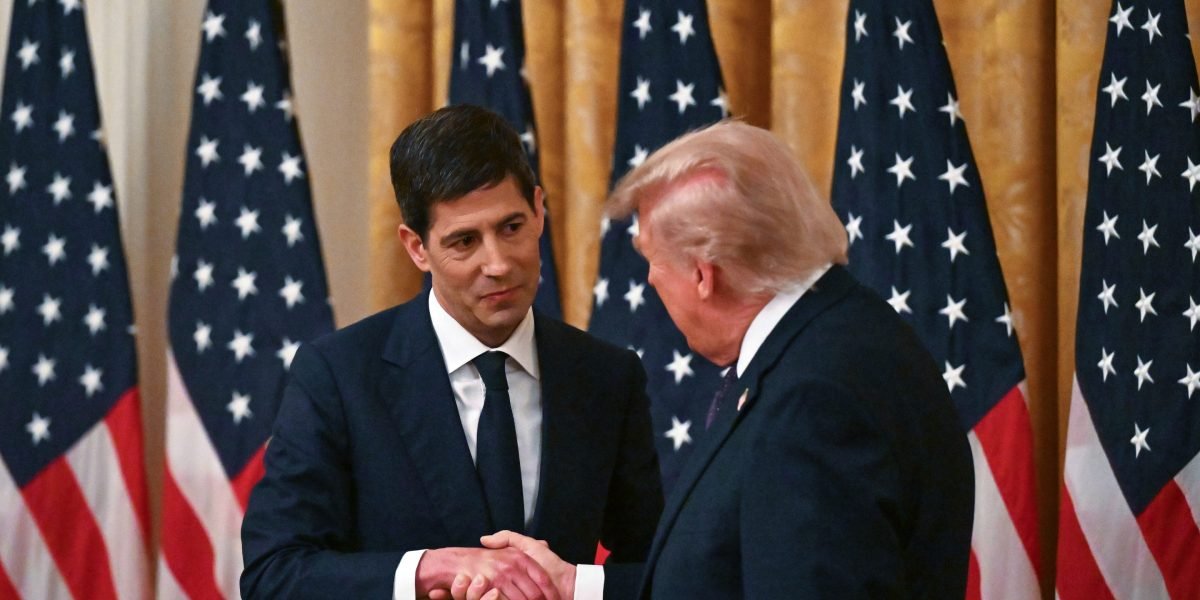
It’s an awkward print for Warsh in particular. He was confirmed in May in the closest Fed chair vote in modern history, and critics accuse him of being installed largely because Trump expects him to cut rates. Warsh, for his part, has argued that productivity gains from AI will allow the economy to grow faster without spurring inflation, thereby enabling the Fed to lower borrowing costs.
But the American public is showing signs of fatigue with five years of above-2% inflation. Consumer sentiment fell to a record low in May, marking its third straight monthly drop, with 57% of Americans reporting that high prices are eroding their finances. Wednesday’s print showed that wages rose just 3.4% over the year, meaning that 4.2% inflation is beginning to outpace workers’ pay gains as prices rise in gas, electricity, food, and medical care.
The market has gotten the message. After May’s strong jobs report and Goldman Sachs pulling its 2026 rate-cut forecast, traders began pricing out a rate cut and pricing in a hike. As of Wednesday, the CME FedWatch tool priced a 63% chance of a quarter-point increase by October, a near-total reversal from the cut consensus that dominated Wall Street weeks ago.
Jeffrey Roach, chief economist at LPL Financial, expects the central bank to “remain on hold while removing any bias toward additional easing,” basically stripping out the signal that cuts are coming.